Best Practices for Separating Packaging Materials for Disposal
Best Practices for Separating Packaging Materials for Disposal: A UK Expert's Guide to Cleaner, Cheaper, Smarter Waste
You've got the boxes, the bubble wrap, the clingy bits of film and the odd rogue polystyrene peanut that never seems to stay put. It's bin day, the kettle's on, and you just want to do the right thing--properly. Truth be told, separating packaging materials for disposal (and recycling) isn't rocket science. But it is a craft. And when you get it right, you save money, avoid fines, cut carbon, and make the world a touch tidier. Clean, clear, calm. That's the goal.
This long-form guide digs into the best practices for separating packaging materials for disposal--whether you're a household in Manchester, a Shopify seller in Bristol, a cafe in Glasgow, or a distribution hub on the outskirts of London. We'll blend practical steps, UK compliance notes, insider tips, and a real-world case study. You'll learn how to keep recyclables clean and marketable, how to spot problem items, and how to set up a system that staff (and family) will actually follow. To be fair, once you've got the flow, it feels good--like sorting socks after a fresh wash on a Sunday evening.
Table of Contents
- Why This Topic Matters
- Key Benefits
- Step-by-Step Guidance
- Expert Tips
- Common Mistakes to Avoid
- Case Study or Real-World Example
- Tools, Resources & Recommendations
- Law, Compliance or Industry Standards (UK-focused)
- Checklist
- Conclusion with CTA
- FAQ
Why This Topic Matters
In the UK, we generate millions of tonnes of packaging waste every year. According to long-running studies from organisations like WRAP and data collated by Defra, a significant portion of this could be recycled or recovered if it's properly separated at the source. The catch? Contamination from food, liquids, and mixed materials can derail the whole process. One greasy pizza box can spoil a bale of cardboard; a bag of mixed plastics can make a whole load unrecyclable. It's not just an environmental issue--it's a practical one.
For businesses, especially, this matters because of costs and compliance. Waste contractors price collections based on quality. Cleaner, segregated materials often mean cheaper collection rates and rebates on valuable streams (think cardboard bales or aluminium). Poor separation leads to higher general waste charges, potential contamination penalties, and--if records are sloppy--compliance headaches under UK Duty of Care rules. And with Extended Producer Responsibility (EPR) reforms rolling through, data and good practice matter more than ever.
On a quieter, more human note: in our experience, once teams see the difference--a tidy sorting area, clear signage, bales of crisp cardboard--they feel proud. You could almost smell the cardboard dust in the air on a busy Monday morning at a warehouse we helped in Croydon; the place just felt organised. It's a small thing, yes. But small things add up. A lot.
Key Benefits
Getting packaging waste separation right unlocks tangible wins you can see on your invoices, in your bins, and frankly, in your conscience.
- Lower costs: Segregated cardboard and metals can attract rebates or at least cheaper collection rates. Less general waste means fewer expensive collections.
- Better compliance: Meeting the Waste Hierarchy, Duty of Care, and local requirements is easier when your system is clear and documented.
- Reduced contamination: Clean streams keep recyclables recyclable. That's the whole point.
- Improved health and safety: Neat, flattened packaging reduces trip hazards and fire risks. Staff can navigate safely (and quickly).
- Operational efficiency: A tidy back-of-house or warehouse means faster packing, fewer lost items, and better inventory visibility.
- Brand and ESG credibility: Customers notice when you walk the talk on sustainability. It's not fluff--it's part of modern business.
- Employee engagement: People like doing the right thing. A simple, well-signed system feels good and works better.
One micro-moment we love: a head chef in East London cut his general waste by a third simply by separating organics, plastics, and cardboard more carefully. He sent us a photo of his new colour-coded station with a grin. Small triumph. Big impact.
Step-by-Step Guidance
The best practices for separating packaging materials for disposal are not just about bins; they're about flow. Think clear routes, clear labels, and simple actions that become habit. Here's a practical, UK-centric, do-this-next walk-through.
1) Map Your Streams
- Identify what you generate: Cardboard, paper, rigid plastics (PET, HDPE, PP), film plastics (LDPE), metals (aluminium, steel), glass, wood (pallets), composites (cartons like Tetra Pak), polystyrene (EPS), and the odd hard-to-recycle item (black trays, bubble envelopes, laminated pouches).
- Assess volumes: A quick waste audit over one week will do. Count bags, note contamination, weigh a few typical items.
- Decide what to segregate: At minimum, separate cardboard, mixed paper, metals, and plastics. Where possible, segregate high-value streams individually: cardboard separate from paper; LDPE film separate from hard plastics.
2) Design Your Zone
- Place bins where waste is created: At pack benches, receiving bays, and the kitchen pass. Minimising walking reduces cross-contamination.
- Use colour coding: For example: blue for paper and cardboard, red for plastics, green for glass, silver/black for metals, brown for organics, and black for residual waste (check your local council's scheme for precise colours).
- Label clearly: Use photos of accepted items. Add simple rules like Keep it clean and dry and No food. If you can, add local examples: "Yes: milk jugs (rinsed), No: black plastic trays."
3) Prepare Materials Correctly
- Cardboard: Flatten boxes. Remove excess tape and labels where easy. Keep dry--wet fibre degrades quickly and can spoil whole bales. If you bale, aim for consistent density and use appropriate wire gauge. Reference grade using EN 643 terms when selling to processors.
- Paper: Separate office paper, catalogues, and newspapers from food-contaminated paper (napkins, greasy takeaway boxes). Greasy or soiled paper typically belongs in general waste or food waste (depending on your contractor).
- Plastics (rigid): Focus on PET (1), HDPE (2), and PP (5) where possible. Rinse containers. Remove liquid and put caps back on (most UK facilities now prefer caps on, but check local guidance).
- Plastics (film): Keep LDPE film (4) clean, dry, and separate. Avoid mixing with cling film contaminated by food. Never include compostable/bioplastic film with LDPE.
- Metals: Rinse tins and cans. Aerosols are generally accepted in many kerbside schemes if empty--not punctured. For business waste, segregate aluminium from steel where contracts allow; aluminium fetches higher value.
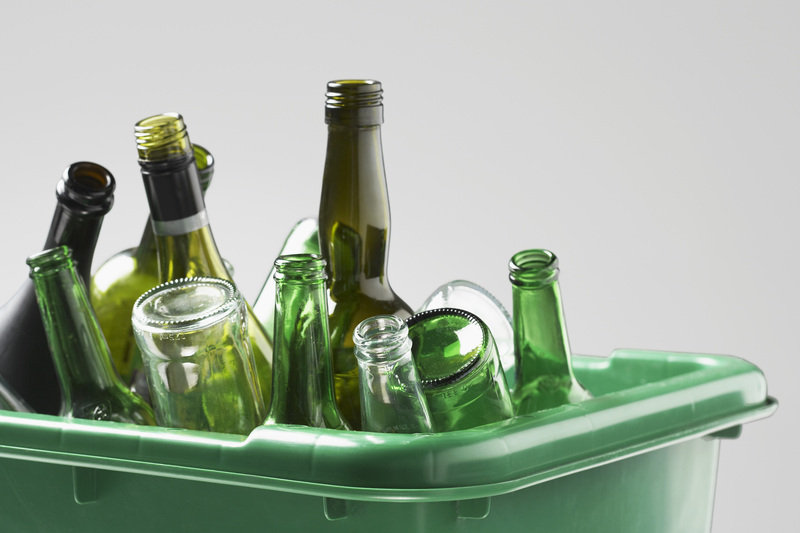
- Glass: Separate by colour if your contractor requires. Keep glass out of dry mixed recycling to avoid shard contamination in paper and plastics.
- Composites (Cartons/Tetra Pak): If collected, keep separate. They require specialist pulping to recover fibre and separate plastic/aluminium layers.
- Polystyrene (EPS): Most kerbside schemes won't take it. For businesses with volume, consider densification or return-to-supplier schemes.
- Wood (pallets): Reuse first. Many pallet suppliers offer repair and take-back. Broken pallets can be chipped or recycled via specialist contractors.
4) Keep It Clean and Dry
Moisture and food residues are the enemy. A single half-full soup tub in a bag of paper? That smell--and mess--will ruin value instantly. Rinse lightly (no need for hot soapy water), drain, and keep lids off until dry. Store bales and bags indoors, off the floor if you can.
5) Remove Problem Contaminants
- Grease and food: Pizza boxes with grease stains belong in general waste or food waste, not in paper/cardboard. The clean lid can be torn off and recycled though--handy trick.
- Black plastics: Often not sortable by optical scanners. Some facilities accept them, many don't. When in doubt, general waste--or switch to clear/coloured alternatives next time.
- Composite pouches: Crisp packets, foil-lined coffee bags, bubble mailers (paper outside, plastic bubble inside) are typically not accepted kerbside. Look for in-store or mail-back schemes.
- Compostables/bioplastics: Don't mix with regular plastics unless your local facility specifically accepts them. Many industrial composting plants don't want them yet.
6) Compact and Contain
Use a baler for cardboard if you generate enough. Bale tags with weights and dates help with Duty of Care data and rebates. For film, clear bags keep it visible (and honest). For cans and bottles, crates or wheelie bins with lids keep pests away and prevent rain ingress. Sound obvious, but on a windy Thursday in Leeds, you'll be glad you closed that lid.
7) Document and Train
- Simple SOPs: One page is enough--what goes where, who checks, when collections happen, and who to call if a bin is contaminated.
- Toolbox talks: Quarterly 10-minute refreshers. New starters get a two-minute walk-through on day one.
- Track results: Note contamination incidents and celebrate wins (e.g., "We hit 95% cardboard purity this month--nice work!").
8) Schedule Smart Collections
Match collection frequency to volume and risk. Cardboard? Collect often to keep pathways clear and prevent moisture damage. Metals and glass can sit longer. If your contractor offers photo-evidence of contamination, use it to coach your team, not to argue every bill line (we've seen that movie; nobody enjoys the sequel).
9) Close the Loop Where You Can
Ask suppliers for returnable crates, pallet wrap reduction, or reusable totes. Switch to mono-material packaging that's easier to recycle. The best practice for separating packaging materials for disposal starts upstream--with what you buy in the first place.
Expert Tips
For Households
- Keep a rinse caddy by the sink--quick swish, quick drain, done.
- Flatten boxes immediately when deliveries arrive. You'll thank yourself Saturday morning.
- Follow OPRL labels (On-Pack Recycling Label). "Recycle", "Rinse & Recycle", "Not Yet Recycled"--pay attention to those little boxes.
- Don't bag recyclables unless your council says so. Loose materials are easier to sort.
Micro moment: a parent in Brighton told us, "I let the kids be the 'recycling detectives'. They spot labels faster than I do." Brilliant, and a bit fun.
For SMEs and Shops
- Put bins at point-of-unpack in the stockroom so staff aren't tempted to toss everything into general waste for speed.
- Use signage with photos from your own waste. Real images beat generic icons.
- Stackable cages for cardboard keep aisles clear and reduce fire risk.
- Switch to clear tape or water-activated paper tape on boxes--easier to recycle and looks smart.
For Warehouses and Fulfilment
- Separate LDPE film at pack benches; it's a valuable stream if clean. Train staff to remove labels and avoid mixing with cling film used near food.
- Standardise bale sizes for cardboard and maintain a log: date, weight, grade. It's compliance gold.
- Trial reusable dunnage (air pillows you inflate on site) and right-size packaging to reduce waste at source.
- Backhaul clean recyclables on return logistics if you have multi-site operations. Efficient and often cheaper.
For Events and Hospitality
- Set up visible sorting stations with volunteers or staff to guide guests. A friendly "Cans here, thank you!" does wonders.
- Keep food separate from dry recyclables. Food caddies with lids reduce smells and pests.
- Glass only bins behind the bar. No exceptions--shards in mixed recycling are a nightmare.
It was raining hard outside that day at a pop-up market in Birmingham. We added weighted lids to keep rain out of the paper bin. Simple fix. Saved the whole load.
Common Mistakes to Avoid
- Bagging recyclables in black sacks: Sorting facilities may reject them outright. Use clear bags if you must.
- Mixing glass with paper/cardboard: Tiny shards contaminate fibre and cause safety risks for workers.
- Leaving food in containers: "Empty, rinse, and drain" should be your mantra. Doesn't need to be spotless; just not gross.
- Assuming compostables can go anywhere: They're not always accepted. Check local industrial composting options first.
- Ignoring local variations: UK councils differ. Always cross-check your area's guidance.
- Not training new staff: Turnover happens. A 3-minute induction saves months of contamination.
- Overfilling bins: Lids up = rain in. Rain in = soggy paper. Soggy paper = landfill. Sad face.
- Keeping aerosols with liquids inside: They must be empty. Press the nozzle until nothing comes out.
Yeah, we've all been there--someone puts a half-full smoothie in the paper bin and the whole thing turns into papier-mache.
Case Study or Real-World Example
Client: Independent e-commerce fulfilment centre, Greater London
Challenge: High general waste costs, messy pack stations, and inconsistent cardboard quality. Staff were doing their best, but the system wasn't.
What we changed:
- Introduced colour-coded stations at each pack bench: blue for cardboard/paper, red for plastic film, silver for cans, black for residual.
- Switched to water-activated paper tape and standard box sizes to improve bale purity.
- Added a small vertical baler and created a bale log with EN 643 grade references.
- Ran two short toolbox talks and added photo-led signage with examples from their inbound packaging.
- Moved bins closer to where waste was created and set a twice-daily "flatten and clear" routine.
Results after 10 weeks:
- 35% increase in cardboard capture, with bale contamination down from ~18% to 3%.
- 22% reduction in general waste collections, saving roughly ?540/month.
- Faster packing thanks to tidy benches and less double-handling. Less stress too--noticeable morale lift.
One small moment stood out: the warehouse lead said, "It actually smells nicer back here now." Less soggy boxes. Less mess. A quiet win you can feel when you walk in on a Tuesday morning.
Tools, Resources & Recommendations
- OPRL (On-Pack Recycling Label): Check labels to know what's widely recycled, not yet recycled, or conditionally recyclable.
- WRAP Guidance: For businesses and councils; practical advice on materials, contamination, and recycling consistency.
- Defra Updates: Keep an eye on EPR timelines and reporting needs.
- BS EN 643: European list of standard grades of paper and board for recycling--useful for bale quality and selling fibre.
- BS EN 13430/13432: Packaging recoverable by material recycling/compostable packaging standards--helpful when reviewing packaging specs.
- Equipment: Vertical baler (for cardboard), film compactor/densifier, stackable stillages, lidded wheelie bins, and moisture meters for paper if you ship high volumes.
- Signage packs: Photo-led, multilingual where needed; laminate them for durability.
- Waste broker or consultant: To benchmark rates, perform audits, and unlock rebates for clean streams.
- Staff training providers: Short, recurring sessions beat one-off lectures. Keep it lively, keep it real.
Law, Compliance or Industry Standards (UK-focused if applicable)
The UK landscape is evolving, and getting the legal basics right is part of best practice. Here's the short, practical version:
- Waste Hierarchy (Legal Duty): Prevent, prepare for reuse, recycle, recover, dispose--follow this order of priority under the Waste (England and Wales) Regulations 2011.
- Duty of Care: You must store, handle, and transfer waste safely with the right paperwork. Keep Waste Transfer Notes (or digital records) and use licensed carriers. Clearly describe waste types.
- Extended Producer Responsibility (EPR) for Packaging: Phased reforms increase responsibility and costs for packaging producers. Accurate data on materials and volumes matters; segregation helps demonstrate due diligence and can inform reporting.
- Recycling Consistency: Policy aims for more uniform collections across England, but local variation still exists. Always check your council or contractor guidance.
- Scotland's Requirements: Separate collection of paper/card, plastic, metal, and glass is a legal requirement for businesses under the Waste (Scotland) Regulations 2012.
- Hazardous or Special Items: Aerosols (if not empty), batteries, and electricals (WEEE) need special handling. Don't mix them into dry recycling streams.
- Standards to Know: EN 643 (paper grades); ISO 18601 series for packaging and environment can guide packaging design choices that simplify end-of-life separation.
Compliance isn't about fear. It's about clarity. When your separation system is neat and your paperwork is steady, inspections are smooth and you sleep better. You'll see why.
Checklist
Pin this to the wall by your bins. Seriously.
- Streams mapped (cardboard, paper, plastics, film, metals, glass, composites, EPS, wood)
- Bins placed where waste is created; lids and labels on
- Signage with photos and a simple rule: Clean and dry only
- Cardboard flattened; tape removed where easy; stored indoors
- Plastics rinsed; caps on (check local guidance); film separated
- Metals rinsed; aerosols empty
- Glass separate; no glass in paper
- Composites and EPS handled via specialist collections if possible
- Collections scheduled to prevent overflow and moisture damage
- Training for new starters; quick refreshers each quarter
- Records kept: bale logs, transfer notes, contamination incidents
Conclusion with CTA
Separating packaging materials for disposal is one of those deceptively simple disciplines that, once dialled in, changes everything. Your site looks better. Costs go down. Compliance gets easier. And, honestly, there's a quiet pride in seeing clean streams heading to their next life--cardboard to cardboard, cans to cans. It's order in a noisy world.
Whether you're setting this up at home or across multiple business sites, start small, stay consistent, and improve month by month. Ever tried clearing a room and found yourself keeping everything "just in case"? We get it. So, choose a few wins--flatten boxes, keep it dry, train one shift--and build from there.
Get a free quote today and see how much you can save.
And breathe. You're doing something that matters.
FAQ
Do I need to remove all tape and labels from cardboard?
No. Remove large strips where easy, but most facilities can handle small amounts of tape and labels. Aim for clean, dry, flattened boxes.
How clean do containers need to be?
"Empty, rinse, and drain" is enough. No need for squeaky clean--just remove food residues and liquids to avoid contamination and odours.
What should I do with greasy pizza boxes?
Greasy or food-soiled cardboard usually can't be recycled. Tear off the clean lid and recycle that; put the greasy base in general or food waste.
Are black plastic trays recyclable?
Often not, as optical sorters can't detect black pigment. Some councils accept them, many don't. Best practice: avoid buying black trays and choose clear alternatives.
Can I recycle bubble wrap and plastic film?
LDPE film is recyclable if clean and separate, but not always kerbside. Many supermarkets offer collection points. Keep it dry and free of labels for best results.
What about composite cartons like Tetra Pak?
Many UK councils now collect cartons, but not all. If yours does, keep them separate and rinsed. If not, look for dedicated carton banks or bring sites.
Do I put caps back on bottles?
Most UK facilities prefer caps-on for plastic bottles--rinse, squeeze out air, cap, and recycle. Check your local guidance to be sure.
How do I handle aerosols?
They must be completely empty. Do not puncture. Many kerbside collections accept empty aerosols in the metals stream. For businesses, follow contractor guidance closely.
Are compostable or biodegradable plastics a good idea?
They can be, but only where industrial composting is available and permitted. Don't mix them with regular plastics. Check local acceptance before buying at scale.
Can I recycle polystyrene (EPS) packaging?
Not typically kerbside. Some specialist recyclers accept EPS, and large volumes can be densified. Otherwise, it may go to general waste or special programmes.
What do the recycling symbols mean on packaging?
They vary. The OPRL label is UK-specific and most useful: it says "Recycle", "Rinse & Recycle", or "Not Yet Recycled". Resin codes (1-7) indicate plastic type but aren't a guarantee of local recyclability.
Should I bag my recyclables?
Generally, no. Put them loose in the recycling bin. If you must bag (e.g., for film), use clear bags and follow local rules.
Is glass better recycled with other dry mixed recyclables?
No. Keep glass separate to prevent shard contamination in paper and plastics. Many councils have dedicated glass bins or bring sites.
We're a small business--do we need a baler?
If you generate a lot of cardboard, a small vertical baler can reduce collections and even earn rebates. If volumes are low, flattened boxes and regular collections might be simpler.
Can contaminated loads lead to penalties?
Yes. Contractors may charge contamination fees or reject loads. Good signage, training, and occasional spot checks help avoid this.
What's the easiest win to start with?
Flatten and separate cardboard, and keep it dry. That single habit improves space, safety, and recycling quality overnight.
How often should we train staff on waste separation?
Give new starters a quick induction and run short refreshers quarterly. Keep it practical and visual--no one wants a lecture at 7 a.m.
How can I identify unrecyclable items inside cardboard deliveries?
Watch for black plastic trays, foil-lined pouches, polystyrene peanuts, heavily waxed paper, and greasy liners. Keep these out of your cardboard stream.
Any UK-specific resource to check what's accepted locally?
Yes. Consult your local council's recycling page and follow OPRL guidance on packaging. WRAP's resources also provide practical UK-focused advice.
Final thought: small actions, every day, make the biggest difference. And it feels good--like opening a cupboard and finding everything just where it should be.